
Extensions are the fastest way to add the length and thickness you’ve always wanted — but the moment you start looking into them, you hit a wall of methods, names and opinions. Two of the most popular are tape extensions and weft extensions. So what’s the actual difference, and which one is right for your hair? Here’s a clear, no-jargon guide from the team at Hairacy in Epping.
What are tape extensions?
Tape extensions are thin, pre-taped wefts of hair that are “sandwiched” onto small sections of your own hair using a strong, skin-friendly adhesive. They sit flat against the head, which makes them lightweight, comfortable and virtually invisible — one of the reasons they’re so popular for adding volume to fine hair.
Because they’re quick to apply and lie so flat, tapes are a favourite for a natural, everyday finish. They’re typically moved up (re-taped) every six to eight weeks as your hair grows, and with good care the hair itself can be reused for several months.
What are weft extensions?
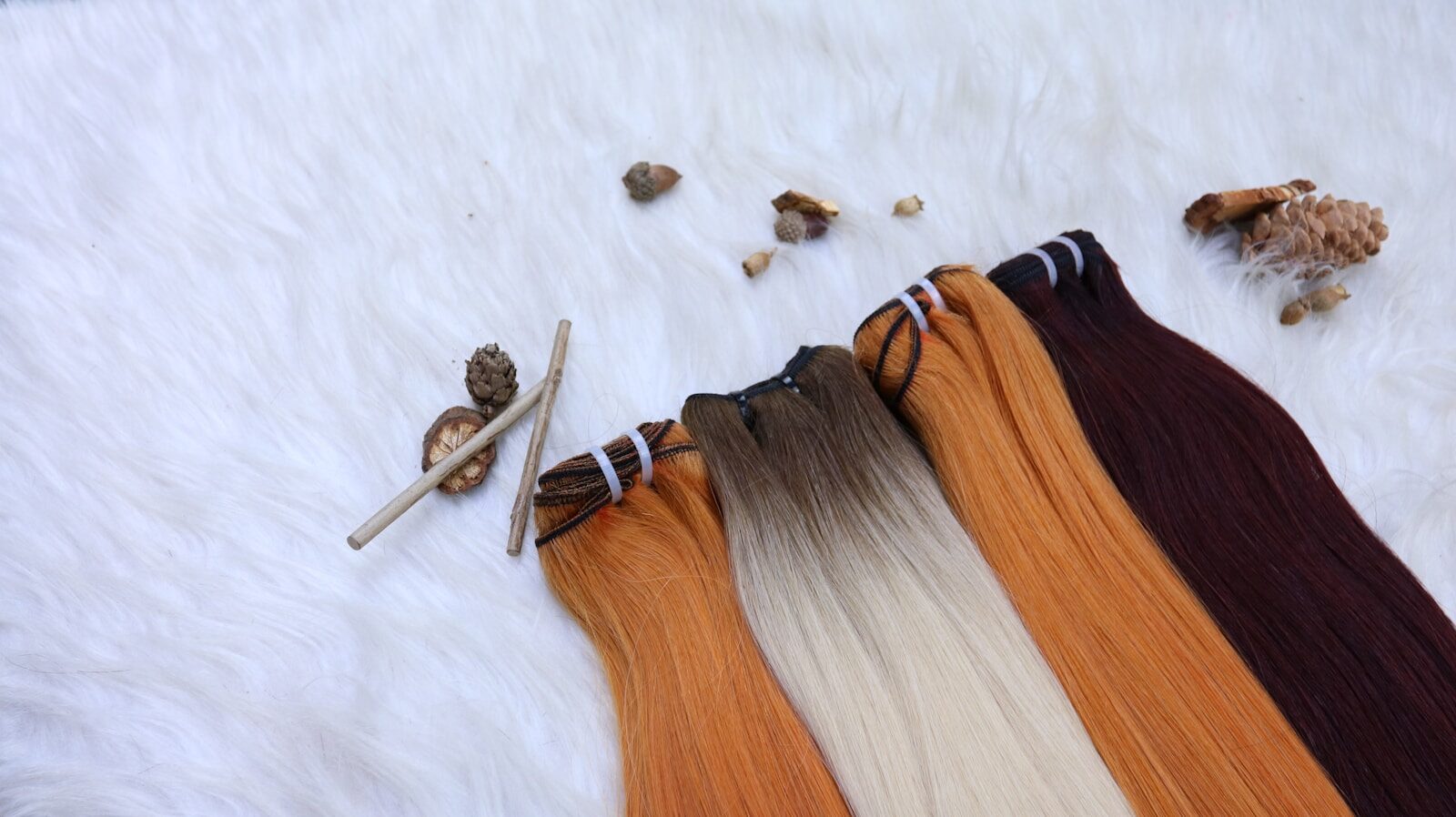
A weft is a long strip of hair (a “curtain”) that’s attached in a row across the head. There are a couple of application methods — hand-tied and machine wefts — but the common idea is that the weft is secured to small sections or braids of your own hair rather than glued. Wefts can add a lot of volume and length in one go and are especially good for thicker hair that needs more coverage.
Wefts are also popular for their strength and longevity, and because there’s no adhesive, some people find them a comfortable long-term option. Like tapes, they need moving up every so often as your hair grows.
Tape vs weft extensions: the comparison
The best method for you depends on your hair type, the look you want and how much maintenance suits your life.
Tape extensions shine when you have fine to medium hair and want a lightweight, seamless, natural finish. They’re fast to apply, sit incredibly flat and are easy to blend — but the tape bonds do need re-taping every six to eight weeks.
Weft extensions come into their own for medium to thick hair and for anyone wanting maximum length and volume. They can be very secure and long-lasting, and because there’s no glue, they suit some scalps and lifestyles better. The trade-off is that application and blending take a little more skill and time.
Neither method is “better” across the board — the right choice comes down to your natural hair and your goals, which is exactly why we start every extension journey with a consultation.
What matters more than the method: the match
Here’s the truth our stylists want you to know — the method matters far less than the colour match, the quality of the hair, and who fits them. Great extensions are the ones nobody can tell you’re wearing. That comes from carefully colour-matching to your own hair (sometimes adding a colour blend so the tones melt together), choosing premium hair, and placing everything so it sits comfortably and moves naturally.
Poorly matched or badly fitted extensions of any type look obvious and can stress your natural hair — so choosing an experienced stylist matters more than choosing tape or weft.
Caring for your extensions
Whichever method you choose, a little care keeps them looking beautiful for longer. Brush gently with a suitable brush, tie hair loosely before bed, use sulphate-free products, keep heat and heavy oils away from the bonds or wefts, and keep up your maintenance appointments. A periodic treatment helps keep both your natural hair and your extensions soft and healthy.
The Hairacy approach
At Hairacy in Epping, every set of hair extensions starts with a no-pressure consultation to match your colour, texture and goals — and we’ll always be honest about what genuinely suits your hair. We fit premium tape and weft extensions for clients across Epping, Carlingford, Beecroft, Eastwood and Northern Sydney.
Frequently Asked Questions
Which lasts longer, tape or weft extensions?
Both need moving up every six to eight weeks as your hair grows, and the hair itself can often be reused for several months with good care. Longevity depends more on care and quality than on the method.
Will extensions damage my natural hair?
Fitted and cared for properly, they shouldn’t. Damage usually comes from poor application, the wrong size, or skipped maintenance — which is why professional fitting matters.
Can I colour my extensions?
The colour is matched at fitting, and we can blend colour so everything melts together. Always have colour work done by your stylist rather than at home, as extension hair reacts differently.
How do I know which is right for me?
The easiest way is a consultation — we’ll look at your hair type, density and goals and recommend the method that suits you best.
Ready to talk length and volume?
Book a consultation or call 02 9869 7927 for an honest, no-pressure chat.